
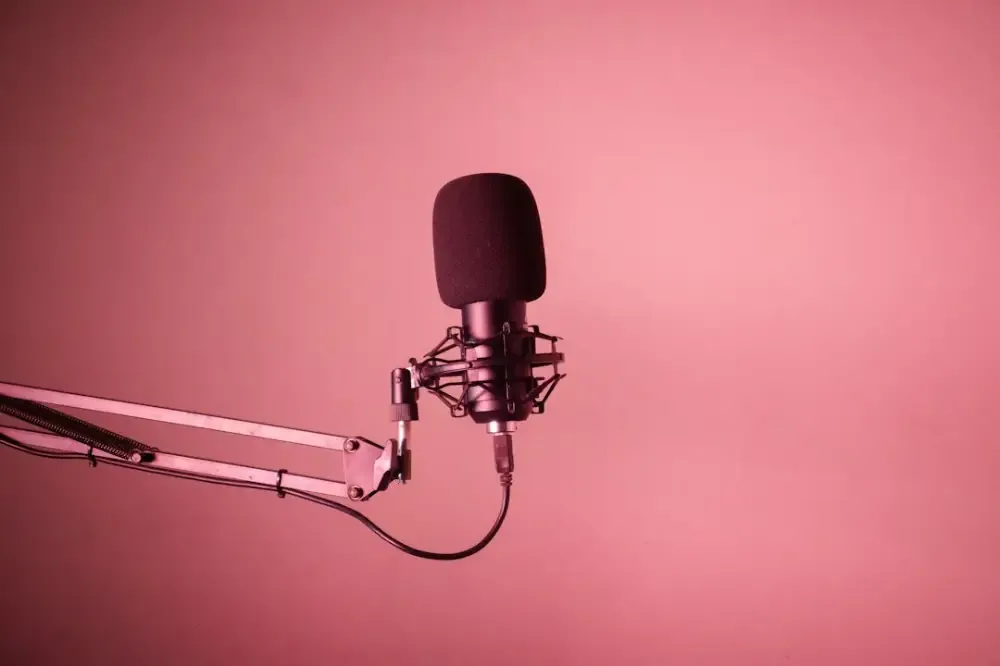
The Visual Fallacy: Why 4K Won’t Save a Bad Video
In the modern era of digital creation, we are obsessed with the image. We track the latest sensor releases from Sony and Blackmagic with religious fervor, debating the merits of 10-bit color science and the creamy bokeh of a G-Master lens. For many creators on platforms like YouTube and Twitch, the leap to 4K resolution is seen as the ultimate rite of passage—a signal that they have finally 'arrived.' But there is a quiet, often overlooked truth lurking in the analytics of the world’s most successful channels: your audience doesn't care about your resolution as much as they care about your resonance.
The hierarchy of digital content is often misunderstood. We assume that because video is a visual medium, the eyes are the primary gatekeepers of engagement. However, observational trends in viewer behavior suggest a different reality. You can find viral hits recorded on a grainy iPhone 6 in a dimly lit room, yet you will rarely find a successful creator whose voice sounds like it’s being broadcast through a tin can during a thunderstorm. This phenomenon leads to a singular, undeniable conclusion: an audience will forgive bad video, but they will never forgive bad audio.
The Psychology of Sound: Why Bad Audio Triggers Rejection
To understand why audio is the invisible foundation of content, we must look at how the human brain processes sensory input. Visual information is often processed analytically; we can look at a pixelated image and our brain will 'fill in the gaps,' allowing us to follow a story even if the quality is sub-par. We have been conditioned by decades of CCTV footage, home movies, and early internet memes to find meaning in low-fidelity visuals.
Audio, however, is processed much more viscerally. Bad audio—characterized by clipping, heavy background hiss, or 'roominess'—creates a phenomenon known as listener fatigue. When a viewer has to strain to understand what is being said, their brain is working overtime. This cognitive load quickly turns into physical irritation. While a blurry video is merely a nuisance, distorted audio is an invasive experience, especially in an era where the majority of viewers consume content through headphones.
The Intimacy of the Ear
Sound is inherently more intimate than sight. When a creator speaks into a high-quality microphone, they are effectively whispering directly into the viewer's ear. This creates a sense of proximity and trust—the 'human story' we often discuss here at Gamers Creed. When that audio is compromised, that intimacy is shattered. It creates a barrier between the creator and the audience, making the content feel amateurish and, more importantly, untrustworthy.
The 'Lo-Fi' Aesthetic and Visual Forgiveness
We see the proof of visual forgiveness in the rise of the 'lo-fi' aesthetic. From the popularity of VHS filters to the raw, unpolished look of 'day-in-the-life' vlogs, creators are intentionally lowering their visual standards to appear more authentic. In the gaming world, some of the most compelling storytelling happens in titles with 8-bit graphics or low-poly environments. The audience accepts these visual limitations because they serve the narrative.
However, there is no such thing as a 'lo-fi audio' trend that involves poor recording quality. Even creators who utilize a vintage aesthetic ensure their voiceovers are crisp, clear, and professionally leveled. They understand that while the eyes can be tricked or appeased with style, the ears demand clarity.
Common Audio Pitfalls That Kill Retention
If you are looking to audit your own content, these are the patterns that typically drive audiences away faster than a low frame rate ever could:
- Audio Clipping: When the gain is too high and the sound 'breaks' at loud moments, creating a harsh, digital crackle.
- Unbalanced Levels: When the background music or game sounds drown out the commentary, forcing the viewer to constantly adjust their volume.
- Room Reverb: That 'echoey' sound that occurs when recording in a room with hard surfaces, making the creator sound distant and disconnected.
- Plosives and Sibilance: Harsh 'P' and 'S' sounds that pop or hiss, which can be physically painful for headphone users.
Shifting the Creative Priority: Sound First
For the modern video content creator, the path to growth isn't paved with higher bitrates, but with better acoustics. This doesn't necessarily mean spending thousands on a high-end XLR setup. It means prioritizing the environment and the technique of sound capture over the latest camera body. It means understanding that a $50 microphone in a room with sound-absorbing blankets will always outperform a $500 microphone in a cavernous, reflective office.
- Invest in Environment First: Treat your space before you upgrade your gear. Soft furnishings, curtains, and even bookshelves can act as natural diffusers.
- The 6-Inch Rule: Maintaining a consistent distance from your microphone ensures a stable 'proximity effect' and prevents volume swings.
- Post-Processing is Non-Negotiable: Learning the basics of compression, equalization, and noise reduction is more valuable than learning how to color grade 4K footage.
Conclusion: The Invisible Foundation
In our pursuit of cinematic storytelling and capturing the 'quiet beauty' of games, we must remember that the most beautiful image in the world is hollow if the soundscape is broken. Audio is the glue that holds the visual elements together. It provides the emotional cues, the clarity of thought, and the professional polish that keeps a viewer from clicking away.
As creators, we must stop viewing audio as a secondary technical requirement and start seeing it for what it truly is: the primary vehicle for our message. Your audience will stay for a story told in 720p if they can hear the passion in your voice. But they will leave a 4K masterpiece in seconds if the sound makes their ears ache. If you want to build a community that lasts, stop looking at your camera and start listening to your mic.